The Ultimate Comfort: Unlocking Umami with Easy Beef Stew
There's nothing quite like a steaming bowl of beef stew to warm the soul, whether it's a blustery winter evening or a crisp autumn afternoon. This timeless classic, celebrated for its rich flavors and hearty ingredients, often conjures images of complex culinary endeavors. But what if we told you that creating a profoundly flavorful and incredibly tender beef stew at home is surprisingly simple? This guide will reveal the "searing and simmering secrets" to an
easy stovetop beef stew that will impress your family and friends, all while keeping prep and cleanup to a minimum. Get ready to embark on a delicious journey to unlock the coveted umami in every bite of your next homemade stew.
The Magic of One-Pot Wonders: Why Easy Beef Stew Reigns Supreme
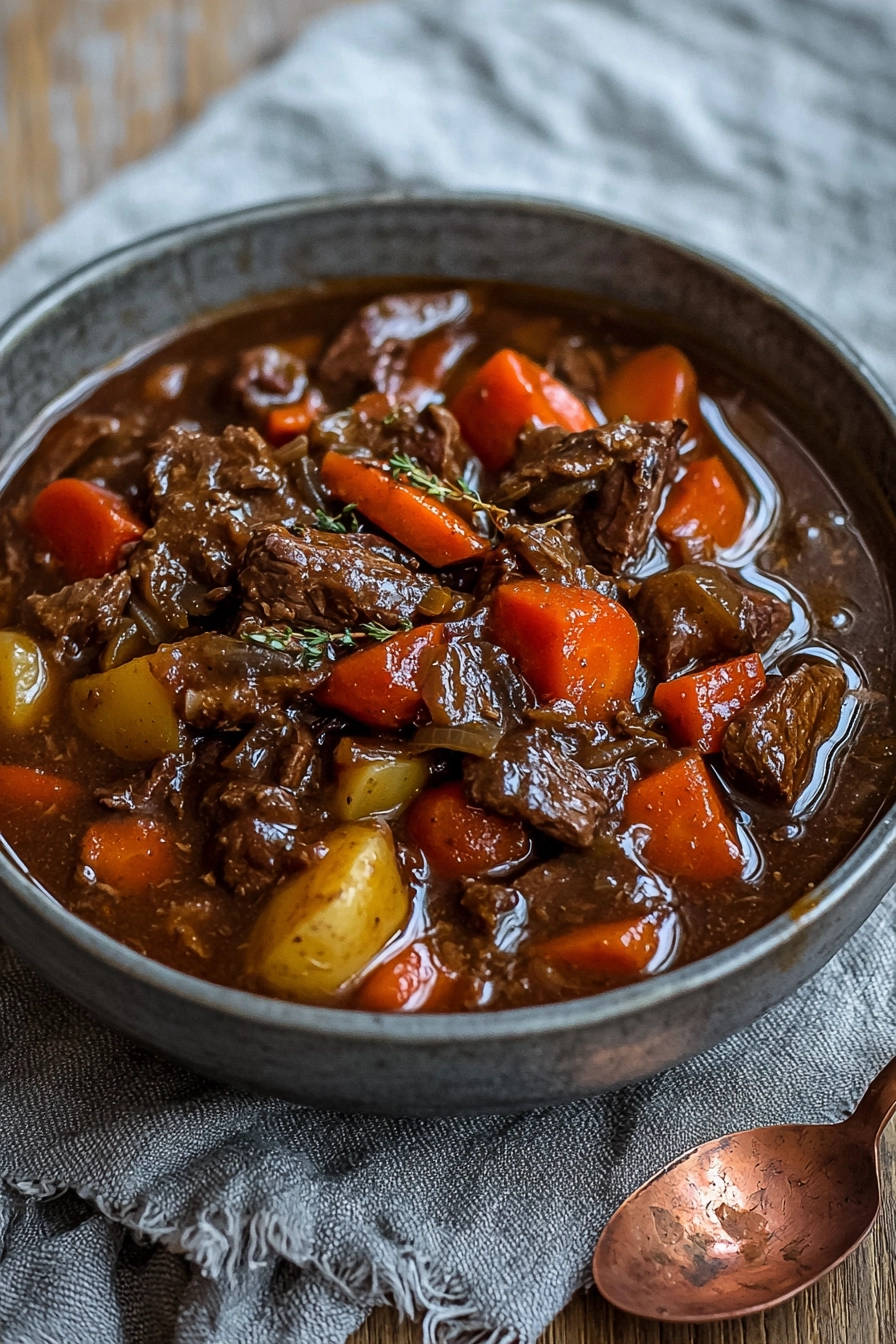
At its heart, a great beef stew is a symphony of simple, wholesome ingredients transforming into something extraordinary. Imagine tender chunks of beef, soft potatoes, sweet carrots, and aromatic onions, all coated in a rich, savory sauce. The beauty of an
easy beef stew lies in its humble origins and its incredible ability to deliver maximum flavor with minimal fuss.
One of the most appealing aspects is its "one-pan" nature. All the magic happens in a single stockpot on your stovetop, significantly reducing cleanup and allowing flavors to meld beautifully. This isn't just about convenience; it's about building layers of taste. As each ingredient is added and cooked in the same vessel, it leaves behind a little bit of its essence, contributing to a deeper, more cohesive flavor profile that you simply can't achieve with separate cooking. It’s the ultimate comfort food, providing warmth, nourishment, and a sense of home in every spoonful, proving that simple can indeed be spectacular.
Unlocking Flavor: Searing, Simmering, and Savory Secrets
The path to an incredibly flavorful and tender beef stew hinges on two fundamental techniques: searing and simmering. These steps are not just about cooking the meat; they are about building a foundation of flavor that elevates the entire dish.
The Art of the Sear: Building a Flavorful Crust
Before your beef can become fall-apart tender, it needs a good sear. This crucial step creates a caramelized crust on the exterior of the meat through a process known as the Maillard reaction. This reaction develops hundreds of new flavor compounds, adding incredible depth and savory notes that simply boiling or braising meat won't achieve. Think of it as adding an extra dimension to your stew's taste.
**Pro-Tip for Searing:**
* **Pat it Dry:** Always pat your cubed beef dry with paper towels before searing. Moisture inhibits browning, leading to steaming rather than searing.
* **High Heat, Not Too High:** Get your pan nice and hot with a neutral cooking oil (like olive oil or canola oil). The oil should shimmer, but not smoke excessively.
* **Don't Crowd the Pan:** This is perhaps the most critical tip. Overloading your pot will drop the temperature, causing the meat to steam instead of sear. Work in batches, browning half or even a third of the meat at a time, ensuring each piece gets good contact with the hot pan. A good sear means a deep golden-brown crust on all sides.
* **Season Generously:** Season the beef with salt and pepper just before searing to enhance the flavor development.
Low and Slow: The Simmering Secret to Tender Beef
Once your beef is beautifully seared and set aside, the long, slow simmer takes center stage. This is where the magic of tenderization happens. Stew meat, often from tougher cuts like chuck roast, is rich in connective tissue and collagen. High heat would simply toughen these cuts, but low and slow cooking, typically over several hours, gradually breaks down these tough components. The collagen melts into gelatin, creating that desirable "fall-apart" texture and enriching the stew's liquid with a silky mouthfeel.
**The Simmering Process:**
1. **Aromatic Foundation:** After searing the beef, use the same pot to sauté your diced onions and minced garlic. The flavorful remnants (fond) left in the pan from the beef will infuse into these aromatics, adding another layer of depth. Cook them until they're softened and lightly browned around the edges.
2. **Umami Boosters:** Stir in a tablespoon or two of tomato paste. This concentrated ingredient is a powerhouse of savory, umami flavor that provides a crucial backbone to your stew. Don't skip it! If you must substitute, use tomato sauce at a 1:3 ratio (1 part paste to 3 parts sauce), or a tiny bit of ketchup for a milder, slightly sweeter note. A dash of Worcestershire sauce adds another layer of complex savory goodness.
3. **Deglazing and Liquid:** Pour in your beef broth. Use a wooden spoon to scrape up any browned bits from the bottom of the pot (this is called deglazing, and it's pure flavor!). Add your seared beef back to the pot.
4. **Cover and Conquer:** Bring the liquid to a gentle simmer, then reduce the heat to low, cover the pot, and let it do its work. This slow cooking allows the beef to gradually tenderize without drying out. Depending on the cut and size of your beef cubes, this could take anywhere from 1.5 to 3 hours. Periodically check to ensure the liquid isn't evaporating too quickly and the stew is still gently bubbling.
Crafting Your Perfect Stew: Ingredient Choices & Smart Substitutions
While the basic ingredients for an
easy beef stew are straightforward, making smart choices and knowing when to substitute can elevate your dish from good to unforgettable.
Choosing the Right Meat
The success of your stew heavily relies on the cut of beef. For the most tender, flavorful results, opt for **cubed chuck roast** or pre-cut "stew meat" which is often derived from chuck. These cuts are marbled with fat and connective tissue, which break down during the long simmering process, resulting in juicy, succulent meat. Avoid lean cuts like sirloin or tenderloin, as they will dry out and become tough during the extended cooking time required for a stew. For more insights on selecting the best cuts, check out our guide on
Beef Stew Hacks: Choosing Meat & Potatoes for Perfect Stovetop Results.
Potatoes: Holding Their Shape vs. Melting In
* **Yukon Gold potatoes** are often recommended for stew because they hold their shape beautifully after cooking, offering a creamy texture without dissolving into the broth.
* **Russet potatoes** can be used, but they tend to break down and become slightly mealy, thickening the stew more significantly. If you prefer a heartier, thicker broth and don't mind softer potatoes, Russets are a fine choice.
* **Sweet potatoes** are an excellent alternative for a touch of sweetness and vibrant color, though they may soften more quickly.
Carrots and Other Root Vegetables
Carrots are a classic addition, providing natural sweetness and vibrant color. Using **baby carrots** can shave off some prep time, but chopping whole carrots often yields a fresher, sweeter flavor. Don't be afraid to experiment with other root vegetables like parsnips for an earthy sweetness or turnips for a slightly peppery note. Add these hearty vegetables later in the cooking process (typically an hour before the stew is done) to ensure they are tender but not mushy.
Broth and Seasoning
**Beef broth** is your go-to liquid for enhancing flavor. If you're using a low-sodium broth for health reasons, remember to compensate with additional seasonings. Savory herbs like dried thyme, bay leaves, rosemary, or a pinch of oregano can add tremendous depth. Always taste your stew before adding extra salt, as beef broth and Worcestershire sauce already contribute significant sodium. A final grind of fresh black pepper at the end is always a welcome touch.
The Step-by-Step Journey to Stew Perfection
Here’s a quick overview of the cooking journey, with additional tips for success:
1. **Prep and Sear:** Pat your beef dry, season generously, and sear in batches over medium-high heat until deeply browned on all sides. Remove the beef and set aside.
2. **Build the Base:** Add a little more oil if needed, then sauté diced onions until softened and lightly caramelized. Add minced fresh garlic (avoid jarred garlic, which can have a harsh flavor) and cook for another minute until fragrant. Stir in the tomato paste and cook for 1-2 minutes to deepen its flavor.
3. **Deglaze and Simmer:** Pour in the beef broth and Worcestershire sauce. Scrape up any browned bits from the bottom of the pot. Return the seared beef to the pot. Bring to a gentle simmer, then reduce heat to low, cover, and cook for 1.5 to 2.5 hours, or until the beef is fork-tender.
4. **Integrate Vegetables:** Once the beef is nearly tender, add your chopped potatoes and carrots. If using other hard root vegetables, add them now too. Continue to simmer, covered, for another 30-45 minutes, or until the vegetables are tender but still hold their shape.
5. **Final Touches:** Taste and adjust seasonings – salt, pepper, and perhaps a pinch more herbs. If you desire a thicker stew, you can whisk a tablespoon of cornstarch with a tablespoon of cold water, then stir it into the simmering stew and cook for a few minutes until thickened. Allow the stew to rest for 10-15 minutes off the heat before serving; this allows the flavors to further meld and the liquids to settle. Garnish with fresh parsley if desired.
Conclusion
Creating a soul-satisfying
easy beef stew doesn't require culinary acrobatics. By understanding and executing the fundamental techniques of searing for flavor development and simmering low and slow for ultimate tenderness, you can consistently achieve restaurant-quality results in your own kitchen. This one-pot wonder, rich with umami and packed with wholesome ingredients, is more than just a meal; it's an experience of comfort and a testament to the magic of simple cooking. So, gather your ingredients, follow these secrets, and get ready to unlock a world of flavor that will make this classic beef stew a cherished staple in your home.