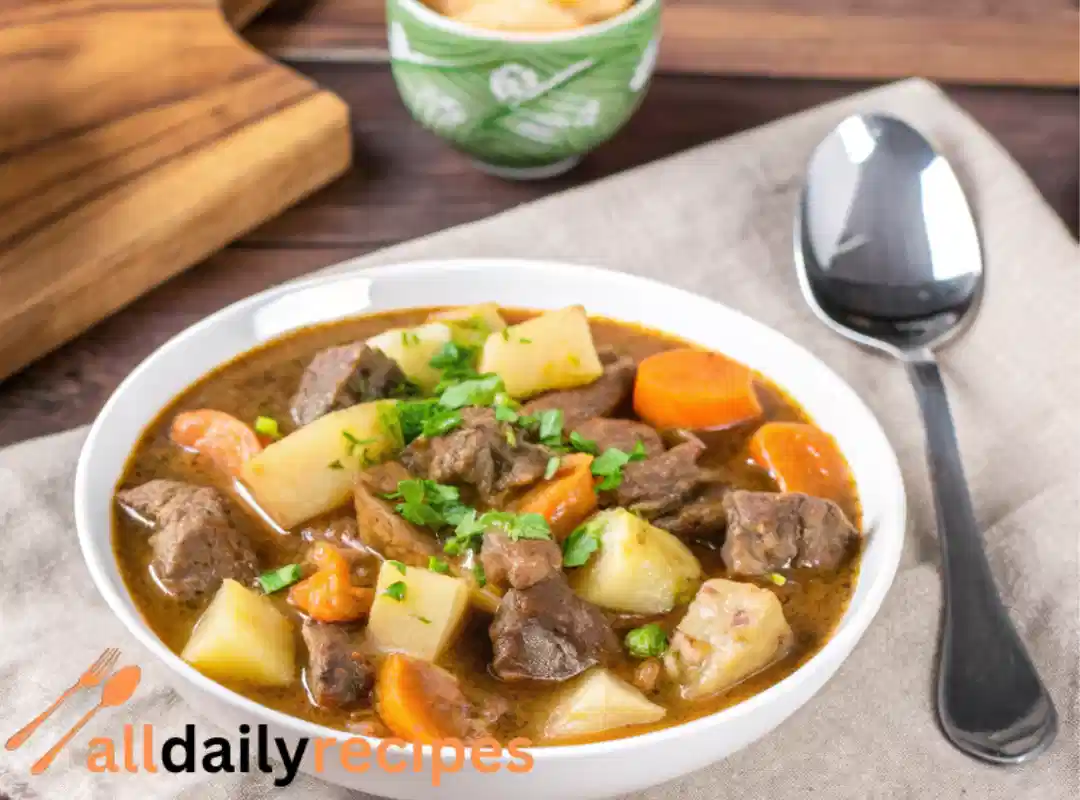
Beef Stew Hacks: Choosing Meat & Potatoes for Perfect Stovetop Results
There's nothing quite like a steaming bowl of beef stew to warm the soul, no matter the season. Its hearty, comforting embrace is a culinary classic that promises tender meat, soft vegetables, and a rich, savory broth. While many consider it a dish reserved for chilly winter evenings, a well-made beef stew can be a delightful meal year-round. The beauty of an easy beef stew lies in its simplicity and the magic of transforming humble ingredients into something extraordinary, all in a single pot on your stovetop. But what truly elevates a good stew to a perfect one? It often comes down to two key components: the meat and the potatoes. Mastering these choices is your secret weapon for stovetop success.
The Foundation: Choosing the Right Beef for Ultimate Tenderness
The star of any beef stew is, naturally, the beef itself. Yet, many home cooks fall into the trap of choosing lean cuts, believing they're healthier or quicker cooking. This is a common pitfall. For a truly melt-in-your-mouth experience, the ideal meat for an easy beef stew should be marbled with fat and rich in connective tissue. Why? Because lean cuts of meat will inevitably dry out and become tough during the longer cooking times required for a stew, leaving you with chewy, disappointing results.
- Chuck Roast: The Undisputed Champion
When it comes to beef stew, chuck roast (often sold as "stew meat" or "beef for stew") is the undisputed champion. This cut, taken from the shoulder of the cow, is abundant in both fat marbling and collagen. During the long, slow simmering process typical of stewing, this tough connective tissue slowly breaks down and transforms into gelatin. This gelatin is what gives your stew its luxurious, silky texture and ensures the beef remains incredibly juicy and fork-tender. The marbling, on the other hand, melts into the meat, infusing it with flavor and moisture. - Understanding Marbling
Marbling refers to the intramuscular fat within the lean sections of meat, appearing as thin white streaks. The more marbling a cut has, the more flavorful and tender it tends to be when cooked properly. When selecting your chuck roast, look for pieces with visible streaks of fat interspersed throughout the red muscle. Avoid cuts that are uniformly lean or have large, dense pockets of external fat that won't render down effectively. - The "Low and Slow" Philosophy
This technique isn't just a suggestion; it's fundamental to achieving tender beef. Cooking fatty, collagen-rich cuts low and slow allows ample time for the collagen to convert to gelatin. Rushing the process will result in tough, rubbery meat, as the connective tissues won't have sufficient time to break down. This principle is vital for any stew, transforming a potentially tough cut into a sublime, fall-apart tender delight. - Searing for Depth of Flavor
Before the long simmer, don't skip the crucial step of searing your beef. Searing creates a rich, caramelized crust on the exterior of the meat through the Maillard reaction. This reaction develops complex flavors and adds incredible depth and savory notes to your stew that you simply can't achieve any other way. Make sure not to crowd your pan; sear the beef in batches if necessary to ensure proper browning rather than steaming. This initial step is a cornerstone of flavor development in any great beef stew. For more insights into building deep flavors, check out our guide on Unlock Umami: Searing & Simmering Secrets for Easy Beef Stew.
Potato Perfection: Holding Shape vs. Creamy Texture
Potatoes are another non-negotiable ingredient in a classic beef stew, adding bulk, texture, and a comforting starchiness that thickens the broth slightly. But not all potatoes are created equal when it comes to stewing. Your choice will dictate whether your potatoes hold their shape neatly or contribute to a creamier, more integrated texture.
- Yukon Gold: The Shape-Holder
If you prefer your potatoes to retain their distinct shape and offer a slightly waxy, firm bite, then Yukon Gold potatoes are your top choice. These medium-starch potatoes have a thinner skin and a beautiful golden flesh that holds up remarkably well under prolonged simmering. They absorb the rich flavors of the stew without disintegrating, providing a lovely textural contrast to the tender beef. - Russet Potatoes: The Creamy Contributor
For those who lean towards a thicker, more rustic stew where the potatoes partially break down to contribute to the overall creaminess, Russet potatoes are an excellent option. Russets are high in starch, which means they tend to fall apart slightly when cooked for extended periods. This breakdown releases starch into the broth, naturally thickening it and creating a wonderfully hearty consistency. If you use Russets, be mindful of when you add them – adding them a bit later in the cooking process can help them maintain some structure. - Other Excellent Choices
Red potatoes are another good choice for holding their shape, similar to Yukon Golds, and add a nice color. New potatoes or fingerlings can also work well, offering a slightly firmer texture. You can even combine different types of potatoes for a multi-textured stew – a few Yukon Golds for structure and a couple of Russets for a creamy element. - Cutting for Consistency
Regardless of the type you choose, ensure your potatoes are cut into roughly uniform pieces, typically 1 to 1.5 inches. This ensures they cook evenly. Adding potatoes and carrots to the pot after the beef has had sufficient time to tenderize (usually in the last 20-30 minutes of simmering) prevents them from becoming mushy, while still allowing them to cook through and absorb flavor.
Beyond the Basics: Elevating Flavor in Your Easy Beef Stew
While meat and potatoes form the backbone, the supporting cast of ingredients and techniques can transform your easy beef stew from good to unforgettable. The beauty of a stovetop stew is how layers of flavor can be built with minimal fuss.
- Aromatics: The Soul of the Stew
Onions and garlic are non-negotiable for adding depth. Freshly minced garlic is always best, providing a pungent, aromatic foundation. While garlic powder (1/2 teaspoon per 2 cloves) can work in a pinch, avoid jarred garlic, which often has a harsh, acidic flavor. Cooking your onions until they're nicely browned around the edges, even slightly caramelized, will unlock a subtle sweetness and complex flavor that permeates the entire dish. - Umami Powerhouses: Tomato Paste & Worcestershire Sauce
These two ingredients are secret weapons. Tomato paste, when cooked down a bit before adding liquid, develops an incredible savory, umami flavor that adds richness without making the stew taste distinctly "tomatoey." Don't skip it! If you must substitute, use tomato sauce at a 1:3 ratio (1 part paste to 3 parts sauce), or even a touch of ketchup for a milder, slightly sweeter note. Worcestershire sauce brings a fermented, tangy, and deeply savory punch that beautifully complements beef. - Broth and Seasoning Wisdom
Good quality beef broth is crucial, enhancing the beefy flavor and providing the liquid for simmering. If using low-sodium broth, taste and adjust your salt levels carefully, remembering that Worcestershire sauce also contributes saltiness. This is also your chance to introduce additional savory herbs like thyme, oregano, bay leaf, or a hint of rosemary for an extra layer of aromatic complexity. A pinch of paprika can also add warmth and color. - Carrots for Sweetness and Color
Carrots provide natural sweetness, vibrant color, and another layer of texture. Cubed carrots or even baby carrots (for reduced prep time) are excellent. Like potatoes, add them later in the cooking process to ensure they are tender but not mushy.
The Stovetop Method: Simple Steps to Stew Success
An easy beef stew truly shines when cooked entirely on the stovetop. The process is straightforward, requiring just one pot and a bit of patience. Here’s a streamlined approach:
- Sear the Beef: Heat a neutral cooking oil (like olive oil) in your heavy-bottomed stock pot over medium-high heat. Sear your cubed beef in batches until deeply browned on all sides. Remove the seared beef and set aside.
- Sauté Aromatics: In the same pot, add a little more oil if needed, then cook diced onions until softened and lightly browned. Add minced garlic and cook for another minute until fragrant. This step builds your foundational flavors.
- Build the Sauce: Stir in the tomato paste and cook for a minute, allowing it to deepen in color and flavor. Deglaze the pan with a splash of beef broth, scraping up any flavorful browned bits from the bottom. Add the remaining beef broth, Worcestershire sauce, and any herbs (like bay leaves or dried thyme). Return the seared beef to the pot.
- Simmer for Tenderness: Bring the stew to a gentle simmer, then reduce the heat to low, cover the pot, and let it cook. This is where the magic happens. Simmer for at least 1.5 to 2 hours, or until the beef is incredibly tender and easily pierced with a fork. Check occasionally to ensure sufficient liquid.
- Add Vegetables: Once the beef is tender, stir in your chopped potatoes and carrots. Continue to simmer, covered, for another 20-30 minutes, or until the vegetables are cooked through to your desired tenderness.
- Final Touches: Taste the stew and adjust seasonings as needed, adding more salt, pepper, or herbs. If the stew is too thin, you can thicken it with a cornstarch slurry (1 tbsp cornstarch mixed with 1 tbsp cold water, stirred into the simmering stew).
Making a perfect beef stew is not about complicated techniques, but rather understanding the role of your ingredients and respecting the cooking process. By thoughtfully selecting your beef and potatoes, and layering in those essential aromatics and umami boosters, you’re well on your way to creating a truly spectacular, comforting meal right on your stovetop. So, embrace these hacks, and prepare to enjoy the ultimate easy beef stew, rich with flavor and unparalleled tenderness.
