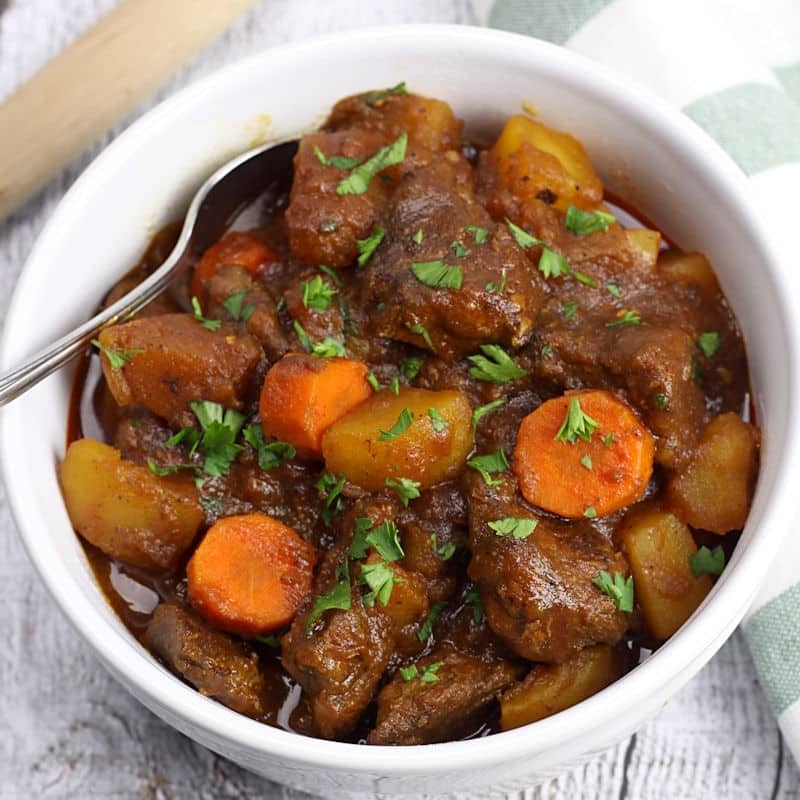
Embrace Comfort: Your Guide to Easy Stovetop Beef Stew
There's something uniquely comforting about a rich, simmering pot of beef stew on the stovetop. It evokes warmth, nostalgia, and the promise of a truly satisfying meal. Forget complicated multi-step recipes; this guide is all about crafting a tender, flavorful, and incredibly
easy beef stew using just one pot. Perfect for chilly evenings, lazy weekends, or any time you crave a hearty, home-cooked dish, this stovetop method simplifies the process without compromising on taste. We'll delve into the secrets behind melt-in-your-mouth beef and a deeply savory sauce, ensuring your one-pot creation becomes an instant family favorite.
Why a One-Pot Stovetop Beef Stew is Your New Go-To
The appeal of stovetop beef stew lies in its beautiful simplicity and the incredible depth of flavor it achieves with minimal fuss. Unlike oven-baked or slow-cooker versions, a stovetop stew offers a hands-on, aromatic cooking experience that fills your kitchen with delicious smells.
*
Unrivaled Comfort: This classic dish is the epitome of comfort food, making it ideal for any season. While often associated with winter, its satisfying nature transcends the calendar, offering a hearty meal that nourishes both body and soul.
*
Flavorful Depth: By building layers of flavor directly in one pot – from searing the beef to sautéing aromatics and simmering with rich broth – every ingredient contributes to a complex, savory sauce that clings to tender chunks of meat and vegetables.
*
Effortless Cleanup: The beauty of a one-pot meal cannot be overstated. Fewer dishes mean less time scrubbing and more time enjoying your culinary masterpiece. This streamlined approach makes even elaborate-tasting meals feel like a breeze.
*
Simple, Wholesome Ingredients: At its heart, an
easy beef stew relies on pantry staples and fresh vegetables – beef, potatoes, carrots, onions, and a few key seasonings. This accessibility means you can whip up a fantastic meal without a special trip to the store.
Essential Ingredients for Your Best Stovetop Beef Stew
The secret to a truly outstanding beef stew starts with choosing the right ingredients and understanding how each contributes to the final flavor and texture.
The Star: Beef Selection for Ultimate Tenderness
For a truly fall-apart tender stew, the cut of beef is paramount. While "stew meat" packages are convenient, they can sometimes contain lean, tougher cuts that dry out during the long cooking process.
*
Our Top Recommendation: Cubed Chuck Roast. This cut is ideal because it's generously marbled with fat and contains connective tissues that break down beautifully when cooked low and slow. The fat renders, infusing the stew with flavor, and the connective tissue transforms into gelatin, creating that desirable juicy, tender texture.
*
What to Avoid: Leaner cuts of beef, while great for quick searing, will inevitably become dry and tough in a stew due to the extended cooking time.
*
Preparation: If you buy a chuck roast, cut it into 1.5 to 2-inch cubes. This size allows for even searing and ensures the meat doesn't completely disintegrate during simmering, while still becoming incredibly tender. For more insights on selecting and preparing your beef, check out our guide on
Beef Stew Hacks: Choosing Meat & Potatoes for Perfect Stovetop Results.
Flavor Foundation: Aromatics and Umami Boosters
These ingredients are crucial for building the complex, savory base of your stew.
*
Onion & Garlic: The quintessential aromatic duo. Freshly minced garlic (about 2 cloves, or ½ teaspoon garlic powder in a pinch) and a diced onion provide a deep, aromatic base. We strongly advise against jarred minced garlic, as its flavor can often be harsh and metallic compared to fresh.
*
Tomato Paste: This concentrated powerhouse is non-negotiable for its rich, savory umami punch. Cooking it down for a minute or two before adding liquids caramelizes its sugars and intensifies its flavor. If you absolutely must substitute, use tomato sauce at a 1:3 ratio (1 part paste to 3 parts sauce), or even a tablespoon of ketchup for a milder, slightly sweeter note.
*
Worcestershire Sauce: Just a dash adds a layer of fermented savory depth and a subtle tang that rounds out the overall flavor profile.
*
Beef Broth: The liquid base for your stew. Opt for a good quality beef broth or stock, as its flavor significantly impacts the final dish. If using a low-sodium broth, consider boosting the flavor with a pinch of savory herbs like thyme, oregano, bay leaf, or rosemary.
*
Salt & Pepper: Crucial for seasoning. Remember that broth and Worcestershire sauce already contribute salt, so taste your stew towards the end of cooking and adjust as needed. Seasoning in layers is key!
*
Olive Oil: Any neutral cooking oil (canola, vegetable) will work for searing the beef and sautéing the aromatics.
The Hearty Fillers: Potatoes & Carrots
These classic additions add substance, sweetness, and texture to your stew.
*
Potatoes: For potatoes that hold their shape beautifully and offer a creamy texture without turning to mush,
Yukon Gold potatoes are highly recommended. Russet potatoes can be used, but be aware they tend to break down more, thickening the stew (which isn't always a bad thing!). Cut them into roughly 1-inch pieces.
*
Carrots: Regular carrots, peeled and cut into 1-inch thick rounds or chunks, add a natural sweetness and vibrant color. Baby carrots can be a time-saving alternative, but we find regular carrots offer better flavor and texture. For more advice on choosing the perfect potatoes and other vegetable variations, delve into our article on
Beef Stew Hacks: Choosing Meat & Potatoes for Perfect Stovetop Results.
Mastering the One-Pot Method: Step-by-Step Instructions
Crafting an
easy beef stew on the stovetop is all about building layers of flavor efficiently. Here’s how to do it:
Step 1: Sear for Superior Flavor
This initial step is critical for developing deep flavor.
Heat 1-2 tablespoons of olive oil in a heavy-bottomed stockpot or Dutch oven over medium-high heat. Pat your beef cubes dry with paper towels – this is vital for a good sear. Working in batches if necessary (to avoid crowding the pan), sear the beef on all sides until a rich, caramelized crust forms. This browning, known as the Maillard reaction, creates incredible savory depth. Remove the seared beef from the pot and set aside.
Step 2: Build the Flavor Base
With the beef out, reduce the heat to medium. Add the diced onion to the pot, scraping up any delicious browned bits (fond) from the bottom. Cook until softened and lightly browned around the edges, about 5-7 minutes. Add the minced garlic and tomato paste, cooking for another minute, stirring constantly until fragrant and the tomato paste darkens slightly. This step truly unlocks the umami potential.
Step 3: Low and Slow for Tenderness
Pour in the beef broth and Worcestershire sauce, then return the seared beef to the pot. Stir to combine. Bring the mixture to a gentle simmer, then reduce the heat to low, cover the pot tightly, and let it cook. The magic happens here: the low and slow heat gradually breaks down the tough connective tissues in the chuck roast, transforming it into incredibly tender, fall-apart meat. This simmering process usually takes 1.5 to 2 hours, but it’s best to cook until the beef is fork-tender, not by the clock. For a deeper dive into the science of searing and simmering, explore
Unlock Umami: Searing & Simmering Secrets for Easy Beef Stew.
Step 4: Finish with Fresh Vegetables
Once the beef is tender, add the cubed potatoes and carrots to the pot. Stir gently, ensure they are submerged in the liquid, and continue to simmer, covered, for another 20-30 minutes, or until the vegetables are tender but still hold their shape. Taste and adjust seasoning with salt and pepper as needed.
Expert Tips for a Truly Unforgettable Easy Beef Stew
*
Don't Crowd the Pan: When searing the beef, ensure there's enough space for each piece to brown properly. Overcrowding will steam the meat instead of searing it, missing out on crucial flavor development.
*
Patience is a Virtue: The low and slow simmering is non-negotiable for tender beef. Resist the urge to crank up the heat or rush this step. It's truly what makes the beef melt in your mouth.
*
Thickening the Stew: While many prefer a naturally thickened stew, if you desire a thicker consistency, you have a few options:
* **Cornstarch Slurry:** Mix 1-2 tablespoons of cornstarch with an equal amount of cold water, then stir it into the simmering stew during the last 10 minutes of cooking.
* **Flour:** Before adding the broth, sprinkle 1-2 tablespoons of all-purpose flour over the sautéed onions and tomato paste, cooking for 1-2 minutes to create a roux. Then proceed with adding liquids.
*
Make-Ahead Magic: Beef stew often tastes even better the next day as the flavors have more time to meld. Cool completely, then refrigerate in an airtight container for up to 3-4 days. It also freezes beautifully for up to 3 months.
*
Serving Suggestions: Serve your hearty
easy beef stew with crusty bread for soaking up every last drop of the delicious sauce, a dollop of mashed potatoes, or even over egg noodles for an extra comforting meal. A sprinkle of fresh parsley adds a touch of brightness.
Conclusion
This comprehensive guide to making an
easy beef stew on the stovetop proves that incredible flavor and tender results don't require hours of complex work or multiple pots. By focusing on quality ingredients and mastering a few simple techniques like searing and slow simmering, you can create a truly comforting and satisfying meal that will warm you from the inside out. So, gather your ingredients, fire up the stove, and prepare to enjoy a timeless classic that’s as easy to make as it is delicious to eat.